Wednesday’s Headlines Are Truckin’
- Transit agencies usually hedge against rising fuel costs by keeping a year’s supply of diesel fuel on hand, so they’re not as affected by price variations as airlines. On the other hand, they also can’t raise prices at the drop of a hat. (Smart Cities Dive)
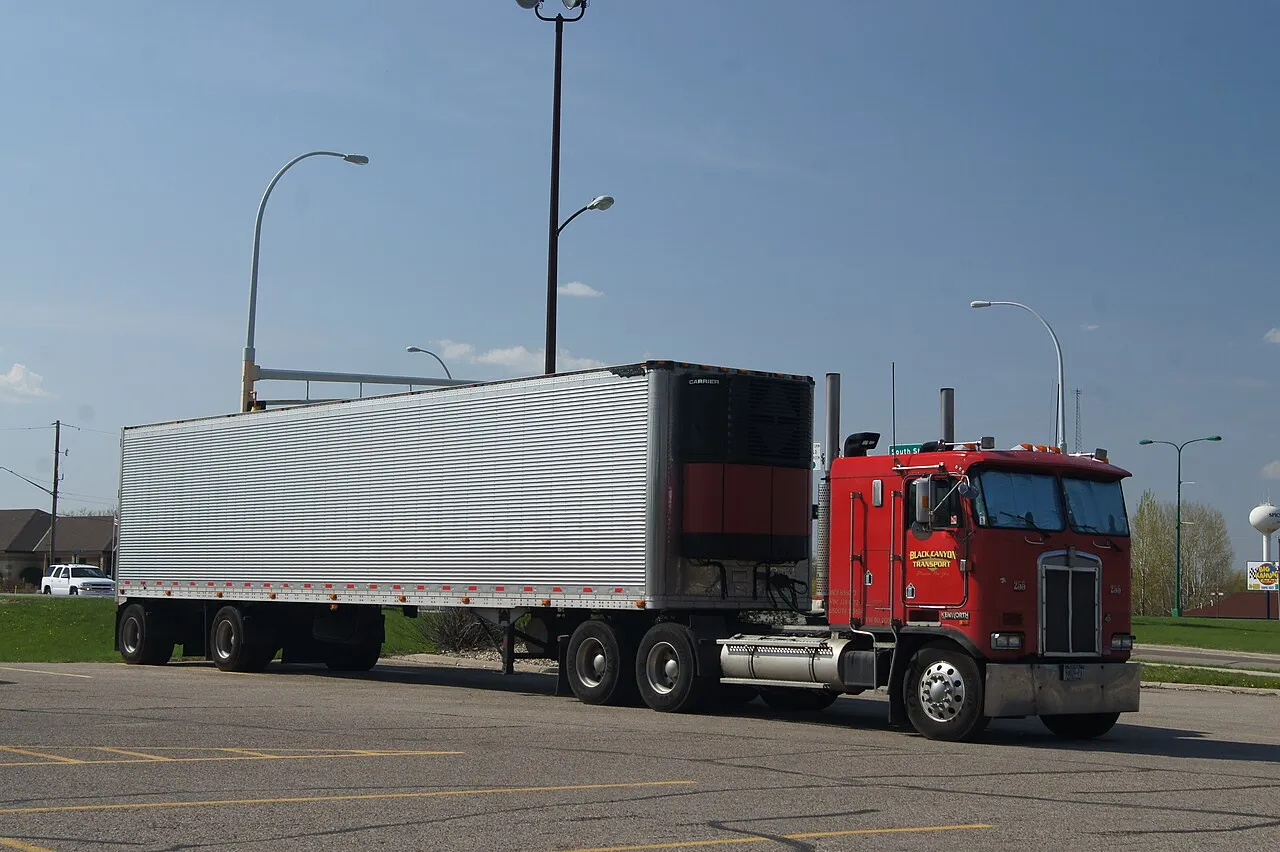
- Because 70 percent of freight is shipped by truck, high diesel costs affect almost every consumer. (Penn Today)
- Truckers don’t want to make last-mile deliveries, which is why they see New York City’s microhub program as a success. (Trucking Info)
- GM is getting into the business of building batteries for data centers. (Tech Crunch)
- After the new Bellevue line opened, Seattle now has the busiest light rail system in the country. (Secret Seattle)
- Houston created a Green Corridor to help soccer fans walk or bike around the city during the World Cup, and many people are hoping the changes stick. (Houston Public Media)
- A new Colorado law requires automakers to recycle electric vehicle batteries. (The Drive)
- Amtrak’s Borealis line between Chicago and St. Paul has drawn more than 400,000 passengers since it launched two years ago. (Minnesota Public Radio)
- Jarrett Walker drew a new bus route map for Des Moines that improves headways in the densest areas. (Human Transit)
- A safe streets advocate argues that Hawaii bikeshare Biki deserves more funding. (Civil Beat)
- Wyoming transit agencies are seeing massive cuts to their federal funding. (Buffalo Bulletin)
- The Hop is shifting to its “festival line” route for the summer. (Urban Milwaukee)
- Aspen is starting a fare-free transit pilot program. (Passenger Transport)
- An epic handshake is happening between unlikely partners in developers, transit advocates and environmentalists over a North Carolina bill banning parking minimums. (WHQR)
- Meet the guys responsible for painting the L.A. Metro. (The Source)
Read more Opinion: AVs Can Do More Than Just Serve People Who Can Afford A Cab
Read more SGV Connect 148: World Cup, 6-7 Edition