
A Move on Your Own Clock: Using Moving Containers With a Flexible Schedule
Not every household can fit a move neatly into a single weekend. Work assignments change, home closings get delayed, school calendars shift, and renovation projects may finish later than expected. When the timing of a move is uncertain, having more control over when belongings are packed and relocated can make the process considerably easier.
Moving containers can be particularly useful for households that need flexibility. Instead of coordinating every packing task around one tightly scheduled moving day, families can approach the transition in stages and organize their belongings according to their own timetable.
Why Flexible Timing Can Make a Difference
Traditional moves often revolve around a specific pickup and delivery date. That arrangement works well when everything is predictable, but it can become stressful when a household is waiting for a new property, finishing repairs, or managing an irregular work schedule.
A moving container offers another approach. Price Movers provides information about moving solutions and transportation services at https://pricemovers.com/.
Build the move around your calendar
With a more flexible arrangement, you can begin packing when it is convenient rather than trying to complete the entire home simultaneously.
For example, rarely used items can be packed first while everyday necessities remain available. This can be useful for families who need to continue living normally while preparing for a transition.
Plan What Goes Into the Container
A flexible schedule does not eliminate the need for organization. In fact, thoughtful loading becomes even more important when the container may remain accessible for a period of time.
Start by creating broad categories such as furniture, kitchen supplies, seasonal belongings, books, decorations, and household equipment.
Keep frequently needed items accessible
Place items you may need soon toward the front or in clearly identified areas. Less frequently used possessions can go deeper inside.
Avoid creating a solid wall of boxes that prevents access to everything behind it. A simple layout can save considerable time if you need to retrieve something before the move is complete.
Use Packing Time Strategically
One advantage of a flexible schedule is the ability to divide packing into manageable sessions.
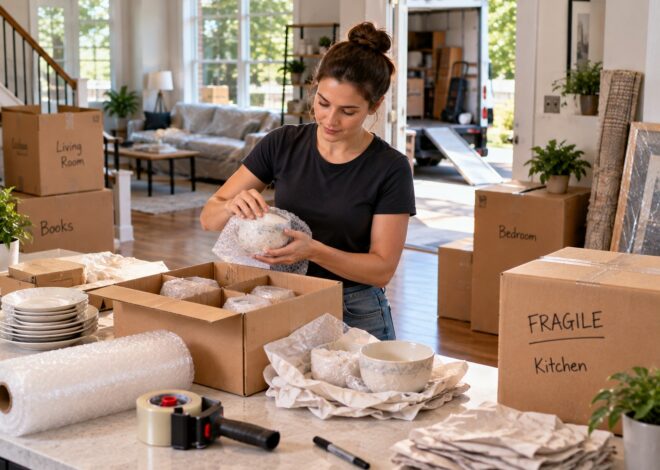
Instead of spending several exhausting days packing every room, work through the house gradually. Begin with storage closets, guest rooms, seasonal decorations, and other areas that do not affect daily routines.
Then move toward bedrooms, kitchens, home offices, and living spaces as the departure date approaches.
This method can be especially helpful for households with children, demanding jobs, or complicated schedules.
Protect Furniture During Longer Storage Periods
If belongings will remain inside the container for an extended period, furniture should be prepared for more than a short trip across town.
Clean upholstered pieces before packing them and allow them to dry completely. Use suitable protective coverings for furniture surfaces and place heavier objects where they will not crush fragile belongings.
Do not rely on loose blankets or household sheets alone for valuable pieces. Appropriate wrapping and padding provide a more deliberate layer of protection.
Load With Movement in Mind
Belongings can shift when a container is transported, so loading technique matters.
Heavy boxes should generally be placed lower, while lighter items can occupy higher areas. Fill gaps where appropriate to reduce unnecessary movement, but avoid forcing objects into spaces where they could become damaged.
Furniture should be positioned securely, with suitable padding between surfaces that could rub against one another.
More details about container-based transportation can be found at https://pricemovers.com/services/moving-of-large-cargo/moving-container.
Create a Simple Retrieval System
Flexible moves sometimes involve opening the container more than once. A retrieval system can prevent unnecessary searching.
Label boxes on multiple sides and use specific descriptions rather than generic terms such as “stuff” or “miscellaneous.” A basic inventory can also record where important boxes were placed.
If possible, take photographs of the container after major loading stages. These images can help you remember where particular belongings are located.
Separate immediate essentials
Keep a small group of necessities outside the container until they are no longer needed. Clothing, medications, important documents, chargers, basic kitchen items, and work equipment should remain readily available during the transition.
Prepare for Changes in the Schedule
A flexible move is valuable partly because plans can change.
A home closing may happen earlier than expected, a renovation may run late, or travel arrangements may shift. Keep communication open with the transportation provider whenever your timing changes.
Knowing your likely loading window, destination requirements, and access arrangements helps prevent last-minute confusion.
Make Flexibility Work for You
Moving containers are most useful when they support a household’s actual schedule rather than forcing the household to reorganize everything around one fixed day.
By packing in stages, loading methodically, protecting furniture, labeling belongings, and keeping essential items accessible, families can create a moving process that accommodates real-life interruptions.
The goal is not simply to put everything into a container. It is to create a manageable transition where your belongings stay organized while your schedule remains adaptable.


3 thoughts on “A Move on Your Own Clock: Using Moving Containers With a Flexible Schedule”