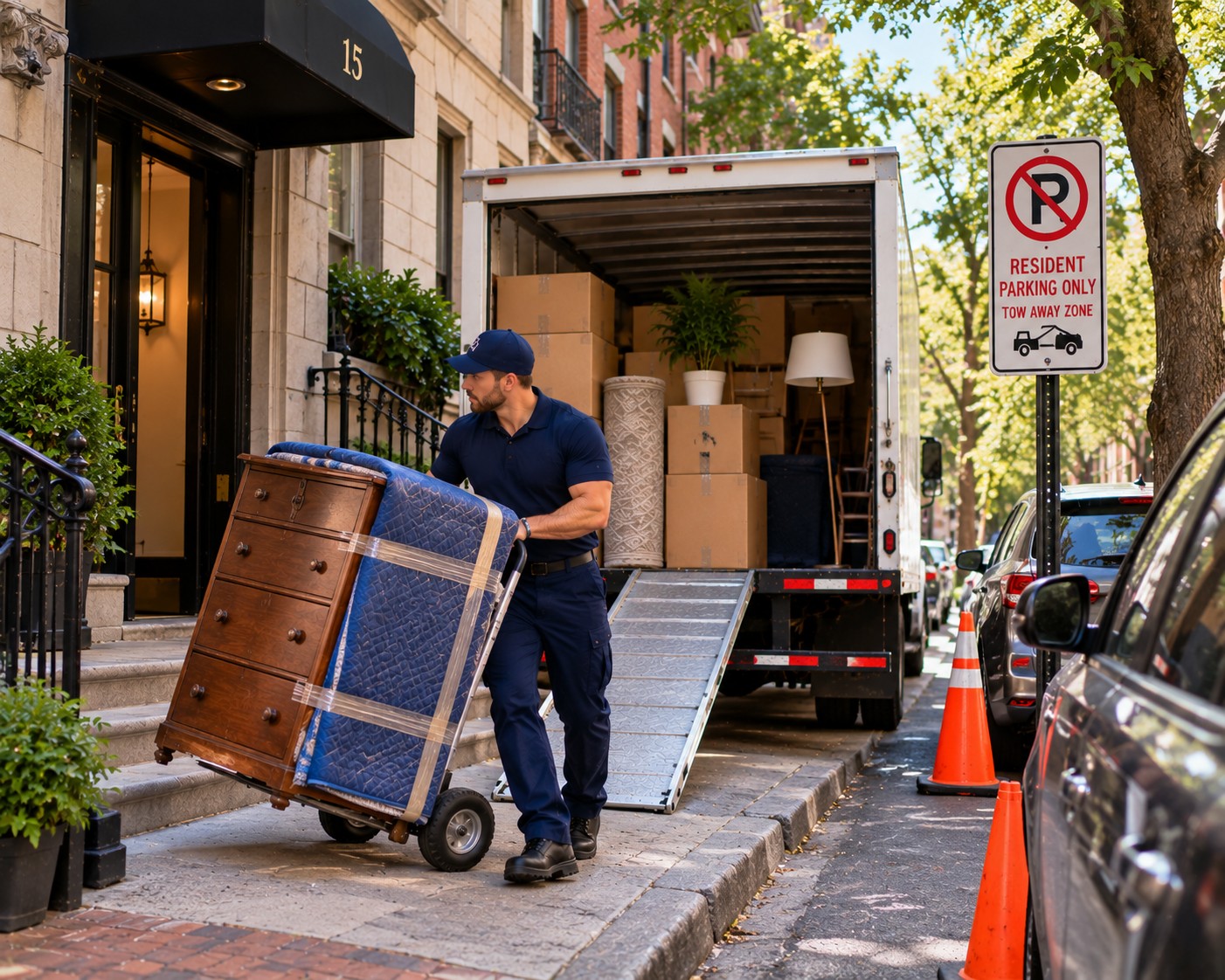
Moving a Multi-Room Greenville Home Without Losing Track of the Details
A spacious suburban house can feel wonderfully comfortable until moving day arrives. Multiple bedrooms, separate living areas, guest spaces, home offices, and additional sitting rooms create plenty of room for everyday life—but they also create a much larger relocation puzzle.
The challenge is not simply transporting more furniture. It is keeping dozens of individual decisions organized while making sure every room is packed, labeled, loaded, and eventually recreated at the new property. A room-by-room approach can turn a sprawling household move into a sequence of manageable tasks.
Begin With a Whole-Home Inventory
Before packing starts, walk through the property and document what each room contains. Large suburban homes often have furniture that is rarely used, particularly in guest bedrooms, formal living rooms, and storage areas.
Create an inventory based on rooms rather than general categories. For example, keep the primary bedroom, children’s rooms, guest suite, family room, and formal sitting area separate.
A household can also review relocation resources at https://milestonerelocation.com/ while developing its moving schedule and deciding how much professional assistance may be appropriate.
Identify Furniture That Needs Special Handling
Mark unusually large or fragile pieces during the initial walkthrough. Oversized wardrobes, sectional sofas, entertainment centers, glass cabinets, and substantial dining tables may require additional preparation.
Photograph complicated furniture before disassembly. The images can provide a useful reference when components need to be reassembled later.
Give Every Room Its Own Packing Strategy
A multi-bedroom house should not necessarily be packed from one end to the other. Instead, prioritize rooms according to how frequently they are used.
Guest rooms and formal areas can usually be packed early. Everyday bedrooms, kitchens, and primary living spaces may need to remain functional until closer to moving day.
Use Consistent Labels
Every box should clearly identify its destination. A label such as “Upstairs Bedroom 2” is far more useful than simply writing “Bedroom.”
Consider adding a short description of the contents as well. This helps the moving crew place cartons correctly and allows the household to find essentials without opening multiple boxes.

Coordinate Multiple Living Areas
Homes with more than one living space can contain duplicate furniture: several sofas, coffee tables, television stands, lamps, and occasional chairs.
Decide which pieces belong together at the destination before anything is loaded.
Movers in Greenville can work more efficiently when the household has already determined which furniture belongs in each destination room.
Create a Simple Floor Plan
A basic floor plan can make delivery significantly easier. Mark the intended location of major furniture and identify rooms by name.
If the new property has a different layout, avoid assuming that every piece will fit exactly as it did before. Measure important furniture and difficult doorways ahead of time.
Protect High-Traffic Furniture
Furniture from busy family rooms often shows more wear than pieces from formal spaces. Before wrapping anything, inspect upholstery, wooden surfaces, corners, and hardware.
Document existing marks or scratches so their condition is clear before transportation.
Use appropriate protective materials for each piece rather than wrapping everything identically. Upholstered furniture may need breathable protection, while polished wood requires protection against scratches and abrasion.
Plan the Loading Sequence
A large house requires a deliberate loading order. Furniture from different rooms should not be randomly placed in the truck simply because there is available space.
Discuss oversized pieces with Movers in Greenville before loading begins. The crew can determine how major furniture should be positioned and secured while leaving room for properly protected boxes.
Keep Important Items Accessible
Set aside a small collection of essentials that should remain available during the move. Include documents, chargers, toiletries, medications, basic clothing, and important household items.
Do not allow this box or bag to disappear beneath furniture during loading.
Make Unloading Room-Specific
The same organization used during packing should continue at the destination. Boxes labeled by room can be delivered directly to their intended areas instead of creating a mountain of mixed cartons in one central room.
Ask the moving crew to place major furniture according to the prepared floor plan whenever possible. This reduces the amount of heavy furniture that needs to be repositioned later.
A Greenville suburban move involving multiple bedrooms and living areas becomes much easier when the household treats organization as part of the relocation itself. A detailed inventory, consistent labeling, room-specific packing, furniture preparation, and a carefully considered loading sequence can save considerable time. With professional support from Movers in Greenville, a large home’s many spaces can be transitioned in a way that keeps the process structured from the first packed room to the last piece of furniture placed.