Short Move, Careful Packing: Protecting Fragile Belongings in Transit
A move across town can create a false sense of security. Because the destination may be only a short drive away, it is tempting to think fragile belongings can be packed quickly or carried without much preparation. In reality, glassware, ceramics, mirrors, electronics, artwork, and delicate decorations can still be damaged by sudden movement, pressure, or poor positioning.
The advantage of a short-distance relocation is that there is usually more flexibility to prepare the household carefully. Before the first box leaves the property, visit https://nevadamoverslv.com/ to explore professional moving support and consider how your most delicate possessions should be handled.
Start With a Fragile-Item Inventory
Do not begin wrapping delicate belongings randomly. Walk through the home and identify everything that could crack, bend, scratch, or otherwise suffer damage.
Group items by material and shape. Glassware can be packed together, while framed artwork, mirrors, lamps, electronics, and decorative pieces may require different methods.
Separate the Most Delicate Pieces
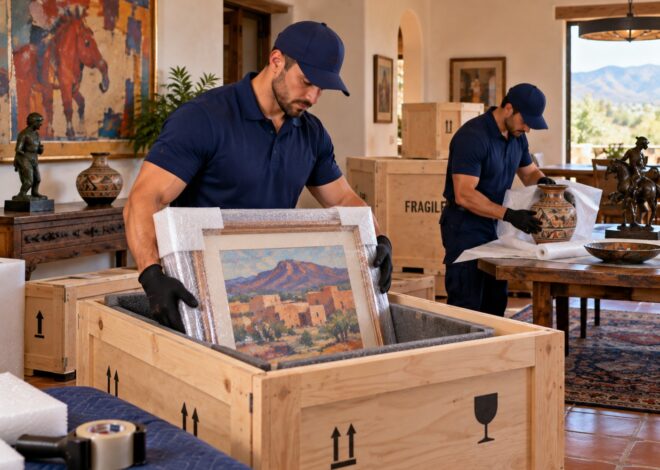
Some possessions deserve individual attention rather than being placed into a general fragile box. Large mirrors, valuable decorations, thin glass, and unusually shaped objects should be identified before packing begins.
Photographing particularly important items before wrapping them can also provide a useful record of their condition.
Choose Boxes That Match the Contents
A box should be strong enough for what it contains and appropriately sized. Overly large cartons can allow fragile objects to shift, while excessively small boxes can create pressure.
Use sturdy containers and avoid placing heavy belongings above delicate ones. If a box contains breakable objects, fill empty spaces with suitable cushioning so the contents cannot move freely when the carton is lifted.
Avoid relying on clothing alone as the primary protection for exceptionally fragile pieces.
Wrap Items Individually
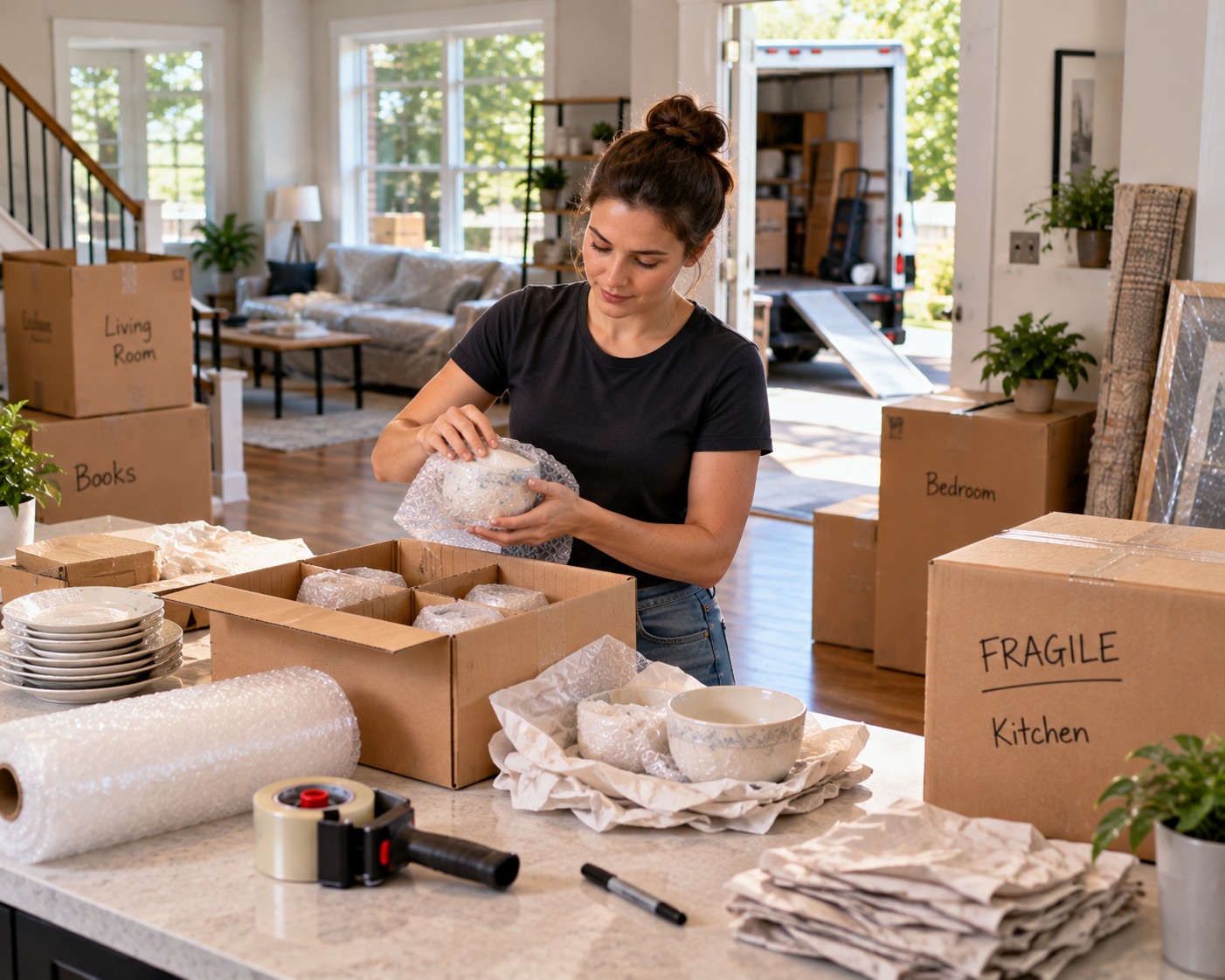
Fragile possessions should generally have their own protective layer. Wrap glasses, plates, ceramics, and decorative objects separately instead of allowing them to touch one another.
For items with vulnerable corners or edges, add protection to those specific areas. Framed pictures and mirrors require particular care around their frames and surfaces.
Do not use excessive force when wrapping delicate objects. Protection should cushion the item without creating damaging pressure.
Build Stable Boxes
Once individual pieces are wrapped, place them inside the carton strategically.
Heavier objects should generally sit lower, with lighter pieces positioned above them. Keep similar items together when practical and use cushioning between layers.
After filling the box, gently check whether anything shifts. If the contents move noticeably, add more appropriate packing material before sealing it.
Label for Handling, Not Decoration
Clear labels can help everyone recognize that a carton requires additional care. Mark the appropriate sides and indicate which direction the box should remain upright when relevant.
Also identify the room where the carton belongs. This prevents fragile possessions from being left in busy hallways while other boxes are unloaded.
Protect Fragile Furniture and Electronics
Fragility is not limited to small objects. Furniture with glass doors, polished finishes, mirrors, or delicate decorative elements can also require specialized preparation.
Remove loose components where appropriate and protect exposed surfaces. Electronics should be packed according to their design, with cables and accessories kept organized rather than tangled together.
Keep sensitive equipment away from heavy boxes and avoid placing pressure on screens or other vulnerable surfaces.
Think About the Short Drive
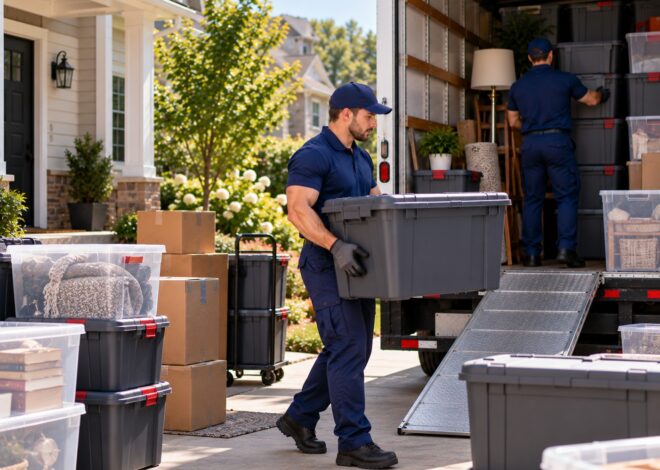
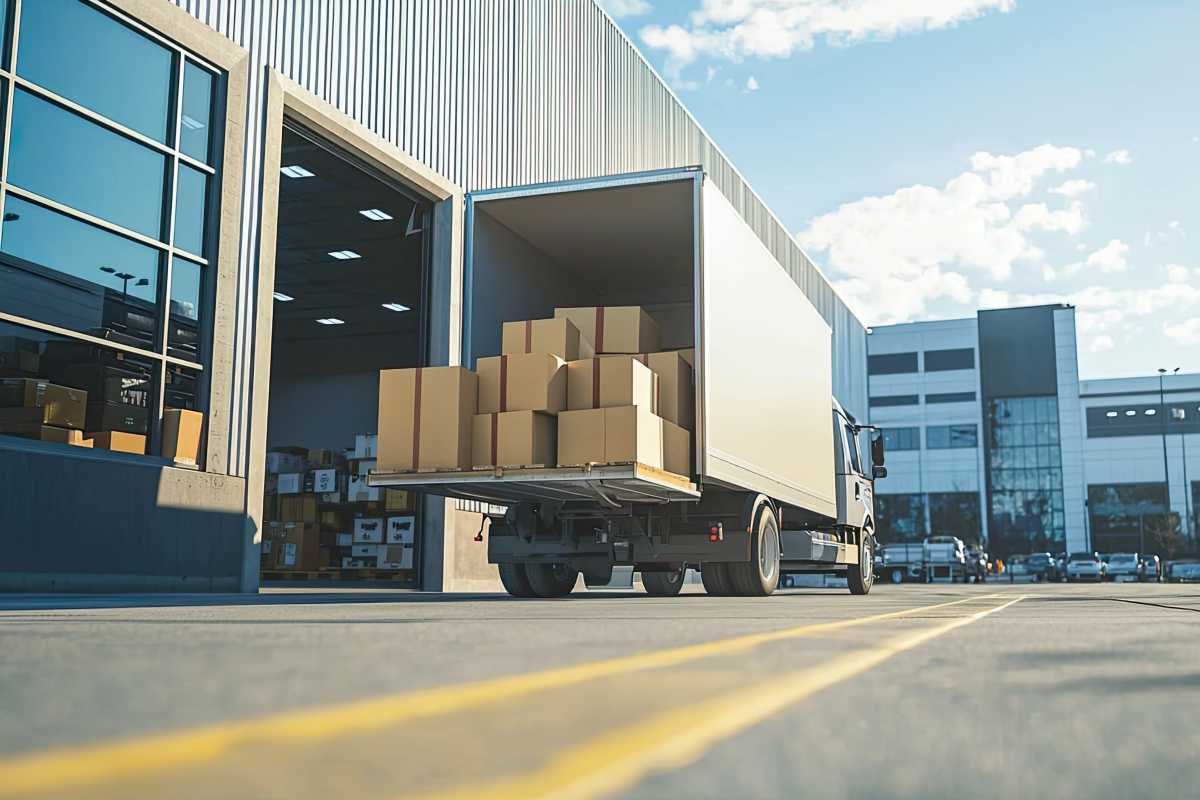
A short journey does not eliminate movement inside the vehicle. Boxes can shift, tilt, or collide if they are not positioned securely.
Fragile cartons should be placed where they will not be crushed by heavier belongings. The overall load should remain stable, with empty spaces minimized where appropriate.
Because the destination is nearby, there may also be a temptation to make multiple improvised trips. A planned loading arrangement is usually safer than repeatedly moving unprotected items.
Use Local Moving Support When Needed
Not every homeowner needs professional help for every part of a short relocation. However, delicate belongings and heavy furniture can make certain stages more demanding.
Nevada Movers offers local moving assistance in the Las Vegas area. Their local services can be reviewed at https://nevadamoverslv.com/services/local-services/ when deciding whether professional handling would make the relocation easier.
Professional movers can also help reduce unnecessary carrying, awkward lifting, and repeated handling of fragile possessions.
Unpack Delicate Items Strategically
At the new property, do not leave fragile cartons in areas where people will continue walking around them. Move them directly to an appropriate room or secure location.
Open boxes carefully and inspect important belongings as they are unpacked. Keep original packing materials temporarily if an item may need additional protection while furniture and other household goods are still being positioned.
A short-distance move deserves the same thoughtful approach to fragile belongings as a longer relocation. Careful inventory planning, individual wrapping, stable cartons, sensible loading, and clear handling instructions can significantly reduce avoidable damage. The shorter route simply gives homeowners an opportunity to make the entire process more controlled from the start.