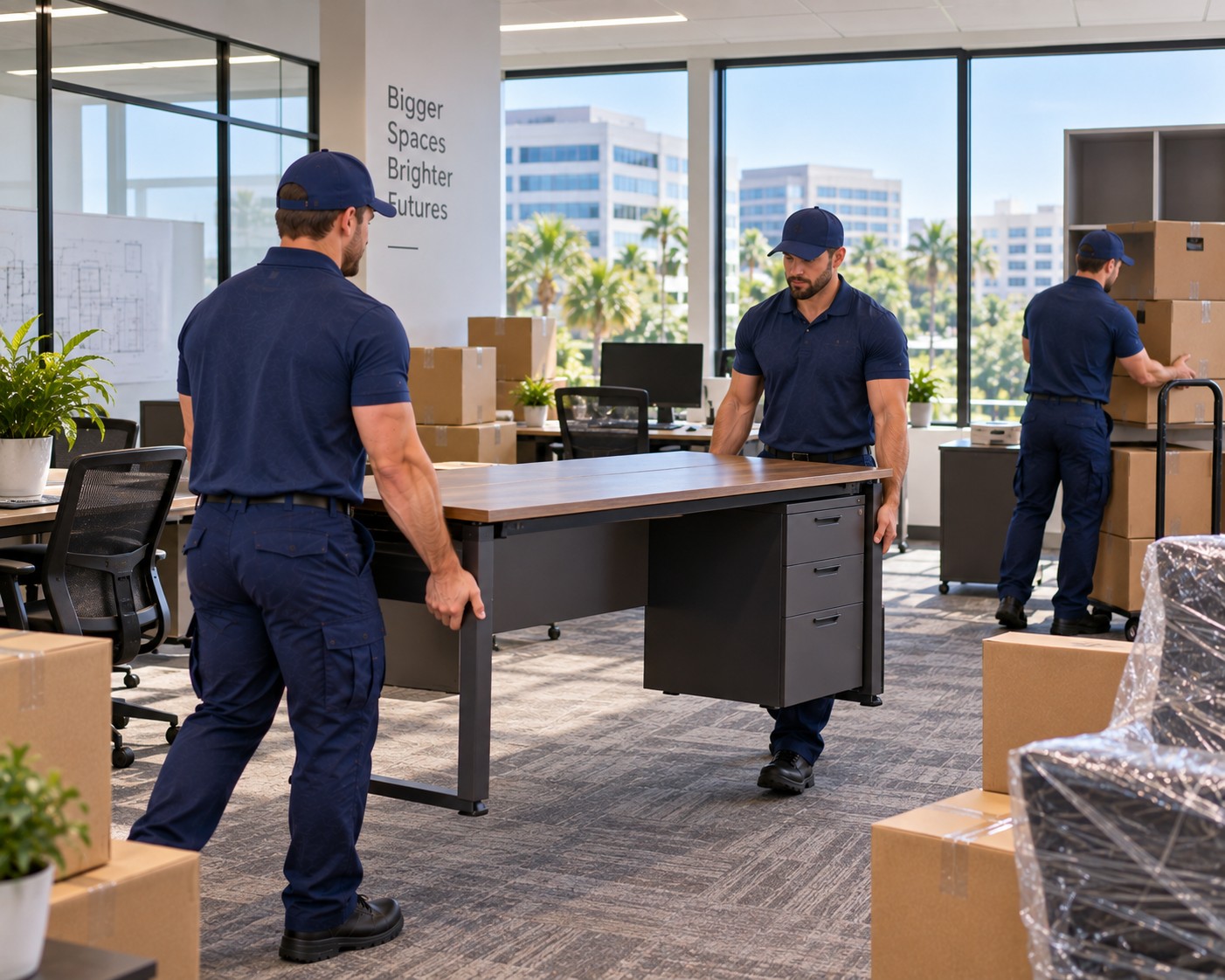
Growing Without the Moving Bottleneck: Business Expansion Services in Largo
A successful business expansion creates an unusual logistical challenge: there is more work to do precisely when the company has less room for disruption. Opening an additional office, adding departments, enlarging a showroom, or moving into a bigger commercial property all require equipment, furniture, technology, and supplies to arrive where they belong.
A carefully coordinated relocation can keep that transition under control. Businesses exploring professional options can start with https://dunedinmovers.com/ and consider which parts of the expansion move require specialized handling, transportation, or temporary storage.
Expansion Moves Need a Different Approach
Moving a business is not simply a larger version of moving a household. Desks may need to remain grouped by department, filing systems have to stay organized, and expensive equipment can require deliberate packing and positioning.
The timing matters too. An office that cannot operate normally for several days may lose productivity even if the physical move itself goes smoothly.
Map the New Workspace First
Before anything is loaded, create a basic destination plan. Mark where workstations, conference tables, reception furniture, storage cabinets, and shared equipment should go.
This gives the moving crew clear instructions and prevents employees from spending their first day rearranging heavy furniture instead of returning to their regular responsibilities.
Coordinate Around Business Operations
A company expansion rarely happens in a vacuum. Employees may still be answering customers, processing orders, meeting clients, or managing inventory while preparations are underway.
For that reason, moving activity should be scheduled around the business calendar whenever possible.
Consider Phased Relocation
A phased move can be useful when the company cannot shut down completely. One department might move first while another continues operating from the existing location.
This approach requires careful labeling and scheduling, but it can reduce the amount of downtime associated with a larger expansion.
What Commercial Movers Can Handle
Commercial Movers can provide support with the physical side of a business expansion, including loading office furniture, transporting equipment, unloading at the new property, and positioning items according to an established floor plan.
The advantage is not simply having additional hands. A professional crew can help create a structured process for moving substantial quantities of business property without requiring employees to perform physically demanding work.
Protect Equipment and Furniture
Computers, monitors, printers, desks, shelving, conference furniture, and other workplace assets should be handled according to their characteristics.
Sensitive equipment should be prepared for transportation rather than placed casually among general cartons. Furniture that will be reused at the expanded location should likewise be protected against unnecessary scratches, dents, or impact during handling.
Storage Can Simplify an Expansion
Not every item needs to enter the new workplace immediately. A company may have surplus desks, seasonal displays, archived materials, spare equipment, or furniture intended for a future department.

Temporary storage can prevent these items from occupying valuable working space during the transition.
This is especially helpful when a new location is being renovated or when different phases of the expansion have separate completion dates.
Keep Inventory Under Control
Business relocations create opportunities for items to become misplaced. A simple inventory system can make the process easier to track.
Group property by department, room, or function and label containers consistently. If furniture is being dismantled, keep hardware and components together rather than placing loose pieces into a general box.
Create a Priority List
Some assets will be needed immediately after arrival. Identify essential equipment and furniture before moving day so they can be loaded and delivered with the appropriate priority.
A growing company should not have to search through dozens of cartons to locate the equipment needed to reopen an important department.
Prepare the New Location
The destination should be ready before the first truck arrives. Confirm access procedures, loading areas, elevator availability, parking arrangements, and any building-specific requirements.
If contractors, electricians, IT specialists, or installers are also involved, coordinate their schedules with the relocation timeline. Furniture placement may depend on when technology infrastructure or other site work is completed.
Give Employees Clear Instructions
Employees should know when their work areas will be unavailable, what they are responsible for packing, and which belongings will be handled by the moving crew.
Simple communication can prevent duplicate packing, forgotten equipment, and confusion during the transition.
Build Expansion Around the Next Stage
A well-planned move should support the company’s future layout rather than merely solve today’s space problem. New departments, additional workstations, storage needs, and shared areas should all be considered when positioning furniture and equipment.
Businesses in Largo can use professional moving support to make expansion more manageable while keeping attention focused on customers, employees, and growth. With https://dunedinmovers.com/ as a starting point for exploring moving services, companies can approach the physical transition as an organized business project rather than an interruption that has to be endured.